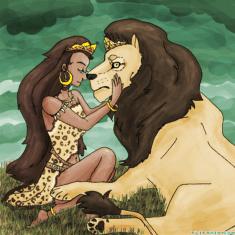
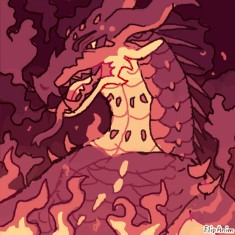
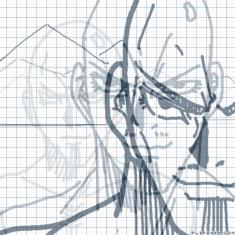
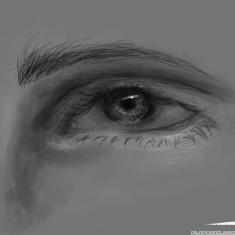
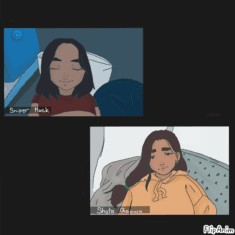
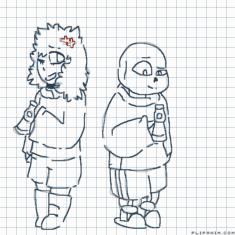
give me tips so I can improve

21 comments
swamperts-trainer[OP]
06.08.2024 03:59
LinkPlease give me tips so I can improve my art please...
swamperts-trainer[OP]
06.08.2024 03:59
LinkI dont wanna make it look so blank
swamperts-trainer[OP]
06.08.2024 03:59
Linkoh yeh and on animation too
when it comes to shading dont use black or grey unless you are trying to make the colors look dull/lifeless, it depends on a lot of things but for starting out learning color theory and such, use a slightly darker more saturated shade of the same color. soemtimes, just more saturation, you dont even need to make it darker. this can help preserve the color and make a piece more vibrant. of cohrse this isnt a hard yes or no rule, most are tips arent either, its all about learning when to apply certain art "rules" to get the desired outcome
also using references for literally anything all the time. it helps with learning anatomy faster, making poses look more fluid and natural, and just getting things right more often. not just with human anatomy, but for objects, backgrounds, other animals. literally anything. if you reference something very heavily almost to the point of copying it, its usually a good rule to credit your reference when posting the art and provide a link to it
also for learning lighting and shading, i personally found it easiest to learn the extremes first then tone it down to include normally. like looking at really reflective items and trying to draw them, and learn how the light reflects. because light reflects off of everything, just to lesser extents than some things.
also an important part of learning color theory is trying to make sure the colors in a drawing "match" sort of. like if someone is under blue lighting and you color pick their skintone, it obviously wont be a natural skintone color in the image. but that applies all the time to any slight lighting change, the colors of everything are affected by lighting. also learning what colors go together satisfyingly to make something pleasing to the eye, there are often charts online you can look up for goo color pairings and how to find them
learning extremes with color and lighting help to make it more obvious about what happens with lighting, and then working your way back to subtle lighting and color changes. sometimes you can apply this to other things as well but it helped me most with lighting. never be afraid to experiment and make something that looks bad on purpose
also experimenting drawing new different things can help you improve as well. like i hate drawing backgrounds or randome objects but in the end it can help with your overall skill, and may be useful in certain pieces. most of all tho, dont feel the need to force yourself on anything, make sure you enjoy your art, you dont need to improve constantly or at all as long as you like what you do. if you want to go into art professionally, thats a different thing. but as long as its a hobby, you can do art however you please